
Belterra Weeding Services
Choose our expert weeding services for a healthier, more vibrant landscape—our team ensures your garden stays pristine, letting your plants thrive without the hassle of unwanted weeds.
Get a Free QuoteOur Belterra Landscaping & Yard Care Services
When to Schedule Weeding in Belterra, Texas – Seasonal Guide
In Belterra, Texas, the timing of weeding is crucial for maintaining healthy, attractive landscapes throughout the year. The region’s climate features hot summers, mild winters, and variable rainfall, making spring and early fall the most effective periods for weeding. Scheduling weeding just after the last frost—typically in late February or early March—ensures that weeds are removed before they can establish deep roots. Similarly, a second round in late September helps control late-season growth before winter dormancy sets in.
Local factors such as the clay-heavy soils found near Sawyer Ranch Road, the shaded lots in Highpointe, and the proximity to greenbelts like Belterra Park all influence weed growth and removal strategies. Homeowners should also consider the area’s periodic drought risk and high humidity, which can affect both weed proliferation and the effectiveness of treatments. For more information on local environmental guidelines, visit the Sudbury municipal site.
Local Factors to Consider for Weeding in Belterra
- Tree density and shade coverage, especially in neighborhoods like Mesa Verde
- Soil type, with clay and rocky soils requiring different approaches
- Seasonal precipitation patterns and drought risk
- Terrain slope and drainage, impacting weed spread
- Municipal restrictions or HOA guidelines on herbicide use
- Proximity to greenbelts, parks, or natural preserves
Benefits of Weeding in Belterra
Enhanced Curb Appeal
Healthier Plant Growth
Reduced Pest Infestation
Improved Soil Quality
Professional and Reliable Service
Time and Effort Savings
Belterra Weeding Types

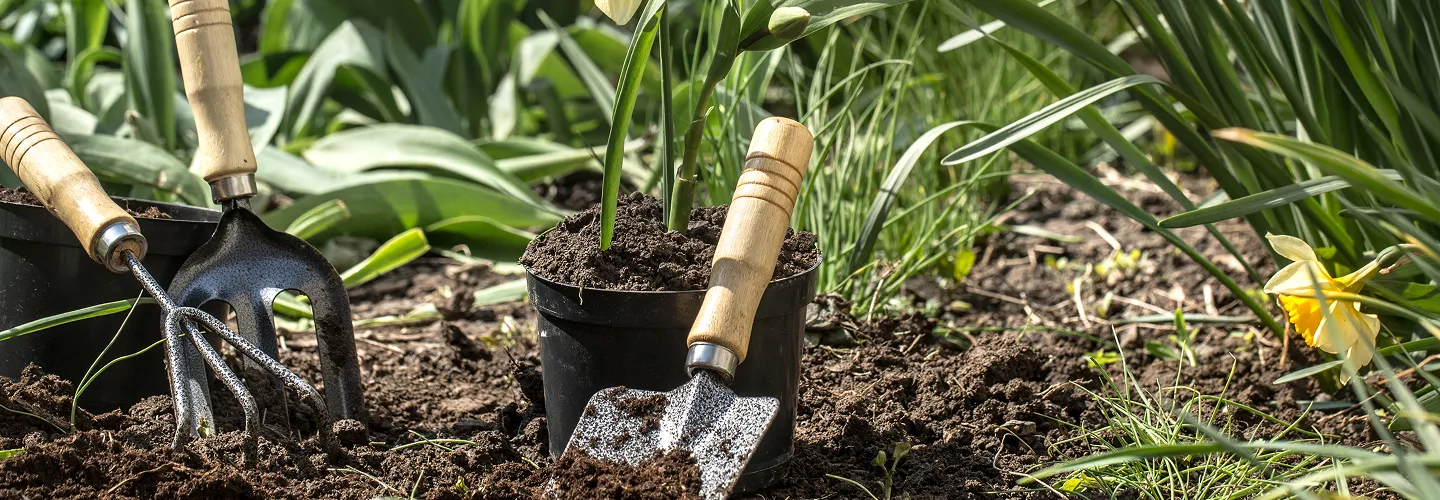
Hand Weeding
-
Mulch Application
-
Pre-Emergent Weed Control
-
Post-Emergent Herbicide Treatment
-
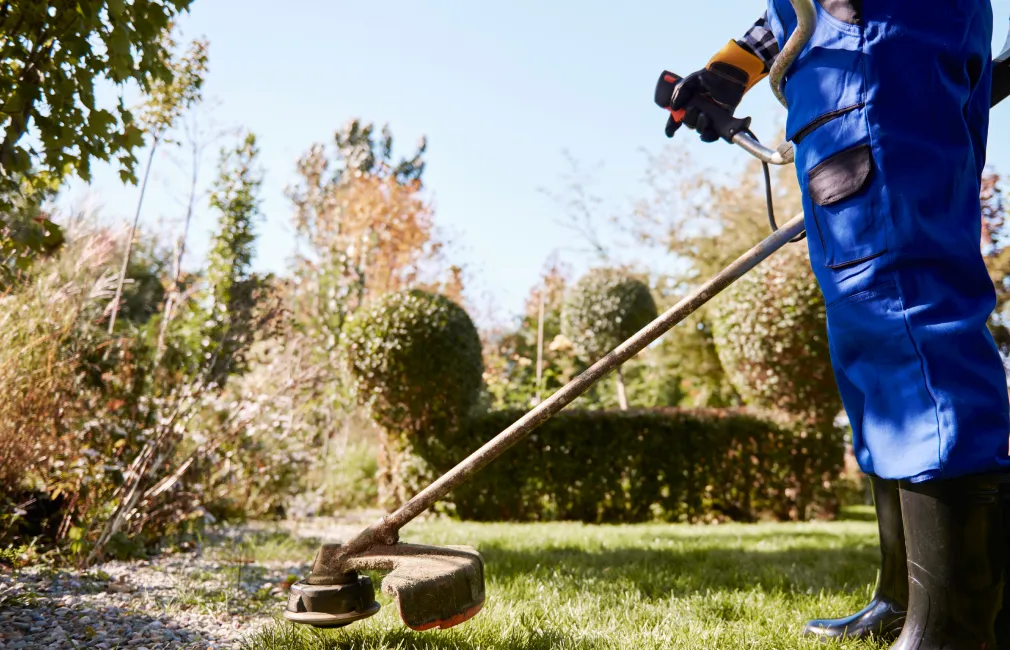
Mechanical Weeding
-
Landscape Fabric Installation
-
Selective Spot Weeding
Our Weeding Process
Site Evaluation
Weed Identification
Targeted Removal
Soil Treatment
Final Inspection
Why Choose Belterra Landscape Services
-
Belterra Homeowners Trust Us
-
Expert Lawn Maintenance
-
Reliable Irrigation Solutions
-
Comprehensive Seasonal Cleanup
-
Competitive Pricing
-
Professional Team
-
Satisfaction Guarantee
Soil Series and Drainage Considerations for Weeding in Belterra’s Residential Landscapes
Belterra’s predominant soils, as identified by the USDA Web Soil Survey, include Houston Black clay and Tarrant soils, both characterized by high clay content, moderate to poor drainage, and a pH typically ranging from 7.2 to 8.0. These expansive clays require careful timing and technique for effective weeding, as compaction and water retention can promote weed growth and hinder removal. For optimal results, mechanical weeding should be performed when soils are moist but not saturated, typically 24-48 hours after rainfall. Soil amendments such as compost (2-3 inches tilled to 6-inch depth) and gypsum can improve structure and reduce compaction. Residents are encouraged to conduct soil testing through Texas A&M AgriLife Extension (test fee: $15-25) to determine amendment needs and pH adjustments. Mulching with 2-4 inches of organic material is recommended to suppress weed emergence and conserve soil moisture.
Municipal Collection and Disposal Protocols for Weeding Debris in Belterra
Proper disposal of weeding debris in Belterra is governed by local collection schedules and container requirements. Weekly yard waste pickup is typically scheduled for Thursdays, April through November. Accepted materials include weeds, grass clippings, and brush under 4 feet in length. Residents must use biodegradable paper bags or reusable bins (32-gallon maximum); plastic bags and branches over 4 inches in diameter are prohibited. Debris should be placed curbside by 7:00 AM on collection day. For large volumes or off-schedule disposal, contact the Department of Public Works for guidance.
Hays County Development & Planning Division
111 E. San Antonio St., San Marcos, TX 78666
Phone: (512) 393-2150
Official Website: Hays County Development & Planning Division
Compliance with these protocols helps maintain neighborhood aesthetics and prevents stormwater system blockages, supporting Belterra’s MS4 permit obligations under the Clean Water Act.
Environmental Compliance: Buffer Zones and Stormwater Protection in Belterra Weeding Operations
Weeding activities in Belterra must adhere to environmental regulations designed to protect local water bodies, including Bear Creek and adjacent wetlands. A minimum 25-foot no-disturbance buffer is required from all designated wetlands and streams. The Texas Commission on Environmental Quality (TCEQ) enforces MS4 stormwater permit requirements, which prohibit the disposal of plant debris or soil in storm drains. Application of herbicides or fertilizers is restricted within 50 feet of water bodies to prevent runoff contamination. Residents and contractors should review the Texas Water Code for additional compliance details. For technical guidance on buffer maintenance and stormwater best practices, consult EPA Region 6.
Seasonal Timing and Weather Considerations for Effective Weeding in Belterra
Belterra is located in USDA Hardiness Zone 8b, with average annual minimum temperatures of 15-20°F. The optimal window for manual and mechanical weeding is from March 15 to June 15 and again from September 15 to November 15, when soil temperatures range from 55°F to 75°F and weed growth is most active. Avoid weeding during peak summer (June-August) due to heat stress and rapid weed regrowth. Monitor local weather forecasts through the National Weather Service Austin/San Antonio Office to schedule work after rainfall, which softens clay soils and facilitates root removal. For persistent perennial weeds, targeted removal should occur before seed set, typically by late April. Mulching and pre-emergent applications are best timed for early spring.
- Spring weeding: March 15 - June 15 (soil temp 55-75°F)
- Fall weeding: September 15 - November 15
- Avoid: June-August (heat stress, rapid regrowth)
- Monitor: National Weather Service for rainfall and soil moisture
Safety Standards and Equipment Protocols for Weeding in Belterra Residential Areas
All weeding operations in Belterra must comply with local safety ordinances and equipment standards. Equipment operation is permitted:
- Monday-Friday: 7:00 AM - 7:00 PM
- Saturday: 8:00 AM - 6:00 PM
- Sunday and holidays: Prohibited
Operators are required to use ANSI Z87.1 rated safety glasses, hearing protection for noise above 85 dB, and cut-resistant gloves for manual removal. Maintain a 15-foot clearance from overhead utilities and a 25-foot buffer from wetlands. Commercial-grade string trimmers and weed pullers should be inspected and maintained every 20-25 hours of use. For work near public walkways or parks, high-visibility vests are mandatory. The Hays County WCID 1 (Water Control and Improvement District) provides additional guidance on drainage and safety protocols for community green spaces.
What Neighborhoods Do We Serve Throughout Belterra, TX?
- Aspen Hills: Features expansive Houston Black clay soils with moderate drainage, requiring careful timing for effective weed removal and frequent mulching to suppress regrowth.
- Mesa Verde: Characterized by gently sloping lots and proximity to Bear Creek, necessitating strict adherence to 25-foot wetland buffers and stormwater protection measures.
- Grafton Oaks: Newer development with compacted fill soils and smaller lot sizes, presenting challenges for root penetration and requiring regular soil amendment.
- Seneca Trails: Mature landscaping and dense tree canopy increase leaf litter and shade, promoting cool-season weed species and necessitating targeted seasonal management.
- Travis Heights: Located near community parks and trails, this area requires coordination with the water district for debris disposal and compliance with public space safety standards.
- Highland Ridge: Features larger lots and steeper slopes, increasing erosion risk during weeding; best practices include mulching and erosion control barriers.
- Heritage Oaks: Adjacent to conservation areas, subject to additional environmental oversight and stricter buffer zone enforcement for all weeding activities.