
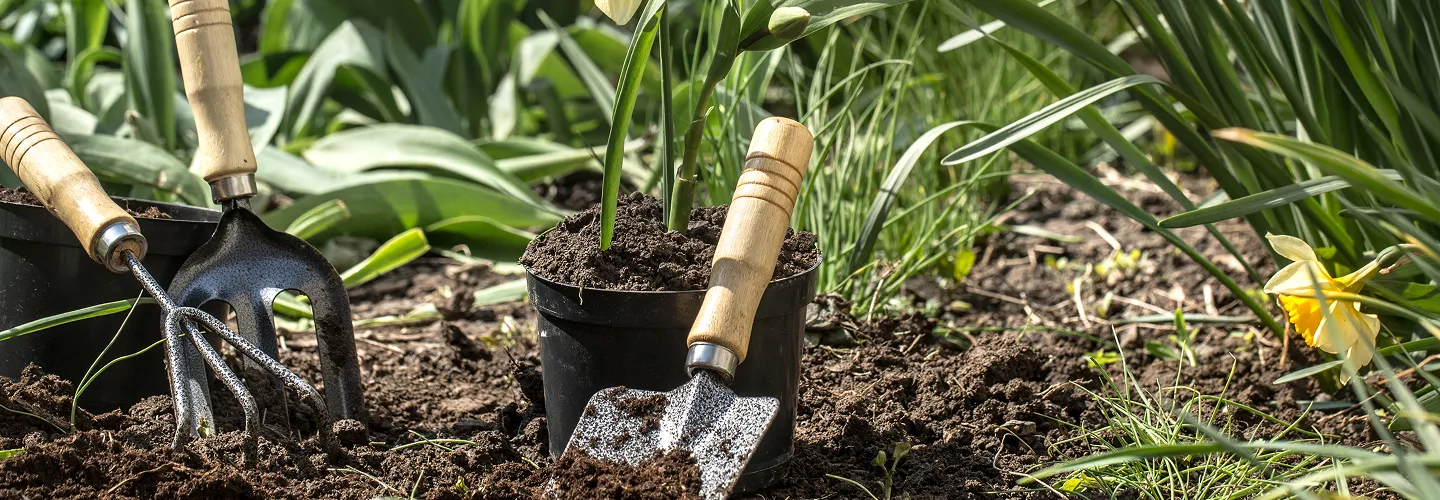
Belterra Flower Planting Services
Choose our flower planting services for vibrant, expertly arranged blooms that enhance your curb appeal and thrive in your unique landscape—bringing lasting beauty to your home.
Get a Free QuoteOur Belterra Landscaping & Yard Care Services
When to Schedule Flower Planting in Belterra, Texas – Seasonal Guide
In Belterra, Texas, timing your flower planting is crucial for vibrant, long-lasting blooms. The region’s climate features mild winters and hot, humid summers, making early spring and late fall the most favorable periods for planting. Local neighborhoods like Highpointe and Reunion Ranch often experience their last frost in early March, so planting after this date helps ensure young plants aren’t damaged by unexpected cold snaps. Additionally, the area’s clay-rich soils and periodic drought conditions mean that soil preparation and irrigation planning are essential for successful flower beds.
When planning your planting schedule, consider Belterra’s unique environmental factors. Shaded lots near the Belterra Village Shopping Center may require different flower varieties than sun-drenched yards along Sawyer Ranch Road. It’s also important to stay informed about municipal watering restrictions, which can impact your planting and maintenance routines. For more information on local guidelines and resources, visit the Sudbury municipal site.
Local Factors to Consider for Flower Planting in Belterra
- Proximity to large oak and cedar trees, which affect sunlight and soil moisture
- Terrain slope and drainage, especially in neighborhoods with rolling hills
- Average precipitation and risk of summer droughts
- Soil composition, particularly clay content and pH levels
- Municipal watering schedules and restrictions
- Shade coverage from nearby structures or mature landscaping
Benefits of Flower Planting in Belterra
Expert Local Knowledge
Customized Landscape Designs
Seasonal Plant Selection
Enhanced Curb Appeal
Eco-Friendly Practices
Reliable Maintenance Services
Belterra Flower Planting Types

Perennial Flower Beds
-
Annual Flower Displays
-
Native Wildflower Gardens
-
Pollinator-Friendly Plantings
-
Seasonal Color Rotations
-
Shade Garden Plantings
-
Drought-Tolerant Flower Beds
Our Flower Planting Process
Site Evaluation
Soil Preparation
Plant Selection
Careful Planting
Watering and Mulching
Why Choose Belterra Landscape Services
-
Belterra Homeowners Trust Us
-
Expert Lawn Maintenance
-
Reliable Irrigation Solutions
-
Comprehensive Seasonal Cleanup
-
Competitive Pricing
-
Professional Team
-
Satisfaction Guarantee
Soil Series and Drainage Considerations for Flower Planting in Belterra
Belterra’s predominant soils, as identified by the USDA Web Soil Survey, include Houston Black clay and Branyon clay loam, both classified as Vertisols with high shrink-swell capacity and moderate to poor drainage. These soils typically exhibit pH values ranging from 7.5 to 8.2, which can limit nutrient availability for many ornamental species. For successful flower planting, it is recommended to incorporate 2-3 inches of compost tilled to a 6-inch depth and to conduct a soil test through Texas A&M AgriLife Extension (typical cost: $15-25). Key soil management steps include:
- Lime application only if pH is below 6.0 (rare in Belterra)
- Sulfur amendments for pH above 7.5
- Raised beds for improved drainage in low-lying areas
Optimal Flower Planting Windows and Climate Factors in Belterra
Belterra is located in USDA Hardiness Zone 8b, with average annual minimum temperatures of 15-20°F. The optimal window for planting most annual and perennial flowers is from March 1 to April 15, when soil temperatures reach 55-65°F. Fall planting of perennials is best completed between October 1 and November 15, allowing root establishment before winter. The National Weather Service Austin/San Antonio Office provides up-to-date soil temperature and rainfall forecasts. Timing recommendations include:
- Spring planting: March 1 – April 15 (soil temp 55-65°F)
- Fall planting: October 1 – November 15
- Avoid planting June-August due to heat stress and drought risk
Native and Drought-Tolerant Flower Species for Belterra Landscapes
Selecting species adapted to Belterra’s alkaline, clay-rich soils and periodic drought is essential for sustainable flower beds. Recommended species include:
- Full sun: Black-eyed Susan (Rudbeckia hirta), Mealycup sage (Salvia farinacea), Autumn sage (Salvia greggii)
- Partial shade: Turk’s cap (Malvaviscus arboreus), Heartleaf skullcap (Scutellaria ovata)
- Deer resistant: Russian sage (Perovskia atriplicifolia), Mexican mint marigold (Tagetes lucida)
- Native options: Winecup (Callirhoe involucrata), Indian blanket (Gaillardia pulchella) Spacing should be 12-18 inches for annuals and 18-24 inches for perennials to ensure proper air circulation and root development. For additional guidance, consult Texas A&M AgriLife Extension plant selection resources.
Municipal Coordination and Environmental Compliance for Flower Planting in Belterra
All flower planting activities in Belterra must comply with local ordinances regarding landscape modifications, stormwater management, and buffer zones near protected areas. The Texas Water Code prohibits fertilizer or pesticide application within 50 feet of water bodies, and the Clean Water Act mandates that no soil or plant debris enter storm drains. Residents must adhere to the following:
- Maintain a 25-foot no-disturbance buffer from wetlands and drainage channels
- Use biodegradable mulch and avoid plastic sheeting
- Dispose of plant debris via weekly yard waste collection (Thursdays, April-November)
- Use biodegradable bags or 32-gallon bins; plastic bags are prohibited
Hays County Development & Planning Division
111 E. San Antonio St., San Marcos, TX 78666
Phone: (512) 393-2150
Official Website: Hays County Development & Planning Division
Hays County WCID 1 (Water Control and Improvement District)
375 Belterra Village Way, Suite 201, Austin, TX 78737
Phone: (512) 894-3322
Official Website: Hays County WCID 1 (Water Control and Improvement District)
Professional Standards and Safety Protocols for Flower Planting in Belterra
Flower planting in Belterra requires adherence to professional safety and equipment standards. All operators must use:
- Eye protection: ANSI Z87.1 safety glasses
- Hearing protection: Earmuffs or plugs for equipment over 85 dB
- Footwear: Steel-toed boots with non-slip soles
- Gloves: Cut-resistant for pruning, chemical-resistant for fertilizer/pesticide application Equipment operation is permitted:
- Monday-Friday: 7:00 AM – 7:00 PM
- Saturday: 8:00 AM – 6:00 PM
- Sunday and holidays: Prohibited All planting within 15 feet of public utilities requires notification of Texas 811 (Dig Safe) at least 72 hours in advance. For large-scale projects, coordinate with the local planning office for review of landscape plans and compliance with setback requirements.
Hays County Emergency Services Districts
810 S. Stagecoach Trail, San Marcos, TX 78666
Phone: (512) 353-3208
Official Website: Hays County Emergency Services Districts
What Neighborhoods Do We Serve Throughout Belterra, TX?
- Aspen Hills: Features gently sloping lots with Houston Black clay soils, requiring raised beds for optimal drainage and careful plant selection due to moderate compaction.
- Mesa Verde: Known for larger lots and mature shade trees, this area presents challenges with root competition and partial shade, favoring shade-tolerant native perennials.
- Grafton Oaks: Characterized by newer construction and compacted fill soils, necessitating soil amendment and deep tilling before planting.
- Seneca Trails: Proximity to drainage channels and greenbelts requires strict adherence to buffer zone regulations and use of biodegradable mulches to protect water quality.
- Travis Heights: Located near community parks, this neighborhood has HOA landscaping guidelines and periodic deer pressure, making deer-resistant species essential.
- Highland Ridge: Features steeper slopes and rapid runoff, requiring erosion control measures such as terracing and mulching for successful flower establishment.
- Knollwood: Situated near conservation areas, this district enforces additional restrictions on fertilizer and pesticide use to protect sensitive habitats.